- drpsk88@gmail.com
- +91 9940161615
- Open Hours: 24/7 Opeing


Appendix Surgery
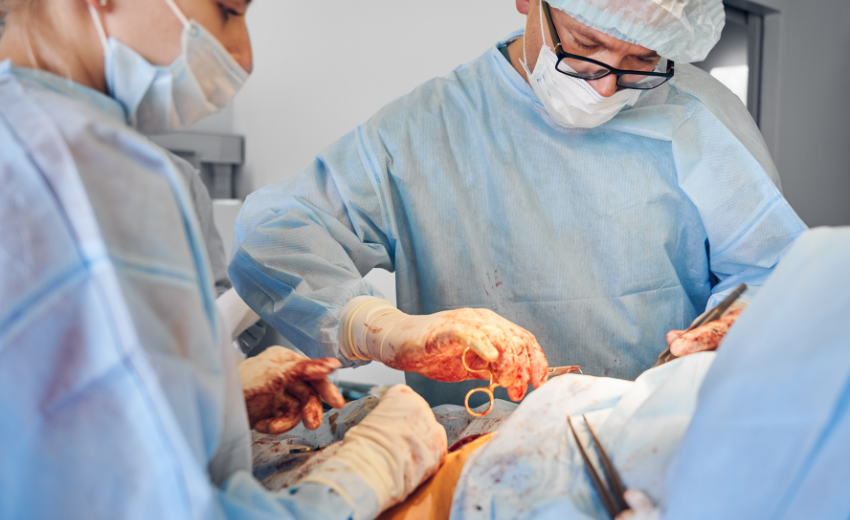
Safe and Advanced Laparoscopic Appendix Removal | Appendix Surgery in Ramapuram,chennai
Specialized Appendix Surgery with Structured Surgical Care
As a General and Laparoscopic Surgeon practicing in Ramapuram,chennaiI perform Appendix Surgery using structured, evidence-based surgical techniques focused on safety and precision. I am currently associated with Sri Ramachandra Medical Centre and Palaniyappa Multispeciality Hospital, where appendix removal procedures are conducted under standardized operating protocols and monitored perioperative care. Acute appendicitis is a common abdominal emergency that requires timely evaluation. Delayed treatment may lead to rupture, abscess formation, or infection spreading within the abdomen. I assess every patient through clinical examination, imaging studies, and laboratory tests before recommending surgery. The objective is safe removal of the inflamed appendix with controlled recovery. Early diagnosis improves outcomes significantly.
Appendix Surgery in Ramapuram is most commonly performed through laparoscopic appendectomy, a minimally invasive approach that allows removal through small incisions. However, surgical planning is individualized based on severity and stability. In cases of complicated appendicitis, structured stabilization may be required before intervention. Surgical timing is critical to avoid complications. I recommend prompt evaluation when symptoms suggest appendicitis. Safety always guides procedural decisions. Structured follow-up ensures complete recovery.
Core Surgical Principles
- I confirm diagnosis before recommending surgery
- I evaluate imaging carefully.
- I recommend timely intervention.
- I operate under monitored hospital protocols.
- I prioritize precision and safety.
- I ensure structured post-operative care.

Understanding Appendicitis and Its Progression
Appendicitis occurs when the appendix becomes inflamed due to blockage or infection. Early symptoms often begin with abdominal pain around the navel before shifting to the lower right abdomen. Fever, nausea, and loss of appetite frequently accompany the pain. If untreated, inflammation can worsen rapidly. A ruptured appendix can lead to serious abdominal infection known as peritonitis. Prompt diagnosis reduces the risk of complications. Ultrasound or CT scan confirms the condition. Blood tests assess infection markers.
Appendix Surgery Doctor in Ramapuram consultation becomes necessary when symptoms intensify or persist. Not all abdominal pain indicates appendicitis, which is why structured evaluation is important. Delayed diagnosis increases surgical complexity. Acute appendicitis is typically managed surgically rather than with medication alone. Timely appendectomy prevents rupture. Early intervention supports faster recovery. Responsible surgical timing improves safety. Clear communication reduces patient anxiety.
- Sudden pain in the lower right abdomen.
- Pain that worsens with movement.
- Fever and nausea.
- Loss of appetite.
- Abdominal tenderness.
- Persistent discomfort beyond a few hours.
Common Symptoms of Appendicitis
When to Seek Immediate Medical Attention
Appendicitis can progress quickly and should not be ignored. If abdominal pain becomes sharp and localized, immediate evaluation is necessary. Increasing pain with fever suggests active infection. Vomiting and inability to tolerate food may indicate worsening inflammation. Delay increases the risk of rupture. Emergency assessment improves surgical safety. Planned intervention is safer than delayed emergency treatment. Structured consultation clarifies the condition.
Imaging confirms the diagnosis before proceeding. Surgical planning depends on stability and infection severity. Responsible decision-making prevents complications. Early hospitalization improves predictability. Clear guidance supports timely care. Patient safety remains central.
- Severe lower abdominal pain.
- Pain with fever.
- Persistent vomiting.
- Abdominal swelling.
- Increased tenderness on touch.
- Sudden worsening symptoms.
Emergency Warning Signs
Laparoscopic Appendix Surgery Explained
Laparoscopic appendectomy is the standard surgical treatment for appendicitis. The procedure involves removal of the inflamed appendix through small incisions using a camera-guided technique. Carbon dioxide creates space for clear visualization. Magnified imaging helps identify surrounding structures safely. Advanced instruments allow controlled dissection and removal. Bleeding is managed precisely. Continuous monitoring ensures patient stability. Structured surgical steps reduce complication risk.
In some complicated cases, open appendectomy may be necessary. The decision is based entirely on safety considerations. Performing surgery in a monitored hospital environment enhances stability. Post-operative monitoring begins immediately after surgery. Early mobilization is encouraged when appropriate. Pain management follows structured protocols. Recovery planning begins before discharge. Follow-up ensures healing progression.
- Small incisions are used.
- A camera guides the surgery.
- The appendix is removed safely.
- Bleeding is controlled carefully.
- Monitoring continues throughout.
- Recovery begins early.
Procedure Overview
Appendix Surgery Treatment Decision Overview
When patients consult me for Appendix Surgery in Ramapuram, the primary concern is urgency and safety. Appendicitis can progress rapidly, and structured evaluation helps determine whether immediate laparoscopic appendectomy is required. The table below outlines common clinical scenarios and recommended surgical approaches. Every decision is made after imaging confirmation and infection assessment.
Appendix Surgery Clinical Decision Guide
| Clinical Situation | Recommended Action | Surgical Approach | Why Surgery Is Necessary | Recovery Focus |
|---|---|---|---|---|
| Early Acute Appendicitis | Immediate Surgery | Laparoscopic Appendectomy | Prevent rupture | Early mobilization |
| Severe Pain with Fever | Urgent Hospital Admission | Laparoscopic / Open | Prevent abdominal infection | Infection monitoring |
| Suspected Ruptured Appendix | Emergency Intervention | Open if required | Control infection spread | ICU observation if needed |
| Appendiceal Abscess | Stabilization + Surgery | Planned Surgical Removal | Prevent recurrence | Antibiotic supervision |
| Recurrent Appendicitis | Elective Surgery | Minimally Invasive | Prevent repeated attacks | Structured follow-up |
| Diagnostic Uncertainty | Imaging Evaluation | Surgical Decision After Confirmation | Avoid delay in emergency | Close observation |
- Appendicitis can worsen within hours.
- Delayed surgery increases rupture risk.
- Rupture may cause severe infection.
- Emergency surgery is more complex.
- Planned surgery is safer and controlled.
- Early treatment improves recovery time.
Why Early Appendix Surgery Matters
Is Appendix Surgery Necessary for You?
Not every abdominal pain requires surgery. Diagnosis must be confirmed through imaging and laboratory evaluation. If appendicitis is confirmed, surgical removal is typically recommended. Conservative management is rarely effective in acute cases. Delay may increase complication risk. Structured evaluation ensures correct decision-making. Individual health factors influence surgical planning. Safety remains central.
Patients searching for an Appendix Surgery Doctor in Ramapuram often seek clarity on urgency. My approach focuses on recommending surgery when benefits outweigh risks. Evidence-based guidelines guide final decisions. Pre-operative stabilization may be required in certain cases. Transparent counseling builds confidence. Timely surgery improves recovery quality. Responsible evaluation defines care.
- Diagnosis must be confirmed clearly.
- Imaging must support appendicitis.
- Medical stability must be ensured.
- Risks must be explained openly.
- Alternatives must be discussed.
- The surgical plan must be individualized.
Decision Criteria
Surgical Infrastructure and Monitored Appendix Care
The safety of Appendix Surgery in Ramapuram depends not only on surgical expertise but also on the hospital environment where the procedure is performed. I conduct laparoscopic appendectomies at Sri Ramachandra Medical Centre and Palaniyappa Multispeciality Hospital, where structured operating protocols and continuous perioperative monitoring are maintained. Advanced laparoscopic systems allow accurate visualization during appendix removal. Standardized anesthesia monitoring ensures patient stability throughout surgery. Sterile operating room practices reduce infection risk. Coordinated surgical teams support efficient and safe execution. Structured systems strengthen predictability in emergency and planned cases.
Postoperative observation is equally important, particularly in cases of acute appendicitis. Patients are monitored in supervised recovery units immediately after surgery. Pain management follows established clinical guidelines. Antibiotic therapy is continued when required in complicated cases. Clear discharge instructions guide safe recovery at home. Emergency backup facilities remain available if necessary. Follow-up evaluation ensures healing progression. A controlled hospital setting enhances both safety and confidence.
- Advanced laparoscopic systems are available.
- Continuous anesthesia monitoring is maintained.
- Operating protocols are standardized.
- Recovery units are supervised.
- Infection control measures are followed.
- Structured follow-up care is ensured.
Hospital Care Standards
Why Minimally Invasive Appendix Surgery Is Preferred
Laparoscopic appendectomy offers measurable benefits when clinically appropriate. Smaller incisions reduce wound discomfort. Early mobilization supports faster recovery. Magnified visualization enhances surgical accuracy. Reduced tissue trauma decreases infection risk. Hospital stay is often shorter. Recovery tends to be smoother. These advantages improve patient comfort.
Safety always determines suitability. Laparoscopic surgery is performed only when anatomical clarity is adequate. Experience strengthens complication prevention. Ethical practice ensures surgery is recommended responsibly. Structured follow-up enhances long-term stability. Precision and responsibility define the approach.
- Smaller incisions are used
- Pain levels are generally lower.
- Recovery is often quicker.
- Infection risk is reduced.
- Hospital stay is shorter.
- Cosmetic results are improved.
Benefits of Laparoscopy
Pre-Operative Evaluation and Surgical Planning
Before proceeding with Appendix Surgery in Ramapuram, I conduct a thorough clinical evaluation to confirm the diagnosis and assess surgical readiness. Acute appendicitis is confirmed through physical examination, ultrasound or CT imaging, and laboratory investigations that indicate infection severity. Early and accurate diagnosis reduces the risk of rupture and abdominal spread of infection. I carefully review medical history, including prior abdominal surgeries or underlying health conditions. Anesthesia assessment is completed to ensure the patient is stable for surgery. Structured planning minimizes procedural risk and enhances intraoperative control. Clear communication allows patients and families to understand the surgical plan. Preparation plays a significant role in predictable outcomes.
Surgical timing is determined based on severity and stability. In uncomplicated appendicitis, early laparoscopic appendectomy is recommended. In cases with abscess formation or advanced infection, stabilization may be required before surgery. Intravenous fluids and antibiotics are administered when indicated. Risk factors such as diabetes or hypertension are managed appropriately. Every step is taken to ensure patient safety before entering the operating room. Consent is obtained after explaining benefits and potential risks. Responsible planning strengthens surgical precision and recovery quality.
- Diagnosis is confirmed with imaging.
- Blood tests assess infection level.
- Anesthesia clearance is obtained.
- Risk factors are reviewed carefully.
- Stabilization is done if required
- Consent is documented clearly.
Pre-Surgical Steps
Safety and Monitoring During Surgery
During a laparoscopic appendectomy, I rely on magnified visualization to accurately identify the inflamed appendix and surrounding structures. Controlled dissection helps prevent injury to nearby organs. Continuous anesthesia monitoring ensures heart rate, blood pressure, and oxygen levels remain stable. Advanced laparoscopic instruments allow precise removal with minimal tissue trauma. Strict sterile protocols are followed throughout the procedure. Each surgical step is performed methodically to reduce complication risk. Vigilance remains constant until completion. Safety remains the highest priority during surgery.
In cases of complicated appendicitis, careful assessment determines whether additional drainage or cleaning of infected fluid is required. Conversion to open surgery is considered only if anatomical clarity is compromised. Decision-making is guided entirely by patient safety. The appendix is removed securely and bleeding is controlled precisely. Final inspection confirms stability before closure. Monitoring continues during immediate recovery. Structured surgical execution improves long-term outcomes. Precision reduces postoperative complications.
- Surgery is performed under full monitoring.
- Visualization is magnified clearly.
- Tissue handling is controlled carefully.
- Bleeding is managed promptly.
- Sterility is maintained strictly.
- Safety decisions are immediate.
Intraoperative Safety Measures
Post-Operative Recovery and Supervision
Recovery after appendix surgery is typically smooth when performed early. Most patients begin mobilizing within hours after the procedure. Pain is managed using structured medication protocols tailored to individual needs. Oral intake is gradually reintroduced once bowel function resumes. Monitoring continues during the initial recovery phase. Discharge planning is based on stability and the absence of complications. Clear instructions are provided regarding wound care and activity restrictions. Early mobilization reduces the risk of blood clots and respiratory complications.
Patients are advised to avoid heavy lifting for a short period to allow proper healing. Mild discomfort around incision sites is common and gradually improves. Fever or increasing pain requires immediate evaluation. Follow-up appointments are scheduled to assess healing progress. Digestive function usually normalizes quickly after an appendectomy. Structured follow-up ensures early detection of any concerns. Responsible supervision enhances confidence. Recovery planning remains systematic and individualized.
- Walking is encouraged early.
- Pain is controlled effectively.
- Diet progresses gradually.
- Wound care instructions are provided.
- Heavy lifting is restricted temporarily.
- Follow-up visits are scheduled.
Recovery Guidelines
Understanding Risks and Possible Complications
Although appendectomy is generally safe, all surgeries carry some degree of risk. Possible complications include wound infection, bleeding, or intra-abdominal abscess formation. These risks are minimized through structured evaluation and sterile technique. Early surgery significantly reduces the chance of rupture-related complications. Transparent counseling ensures patients understand potential outcomes realistically. Careful intraoperative handling decreases complication probability. Continuous monitoring supports early detection. Responsible surgical planning reduces uncertainty.
In complicated appendicitis, the spread may prolong recovery slightly. Antibiotics may be continued postoperatively in selected cases. Conversion to open surgery is rare but may be necessary for safety. Patients are educated about warning signs such as persistent fever or severe abdominal pain. Early reporting allows prompt management. Ethical responsibility guides decision-making at every stage. Risk awareness improves preparedness. Safety remains the defining priority.
- Risks are explained clearly beforehand.
- Monitoring continues after surgery.
- Infection signs are discussed openly.
- Complications are addressed promptly.
- Follow-up ensures stability.
- Safety remains the priority.
Risk Awareness Points
Experience, Expertise, and Structured Surgical Approach
Appendix Surgery Doctor in Ramapuram selection plays an important role in outcome quality. Experience in laparoscopic surgery improves intraoperative judgment and precision. Structured training in minimally invasive techniques strengthens anatomical accuracy. Evidence-based protocols guide each surgical decision. Clear communication builds patient confidence. Accountability defines professional standards. Consistency in surgical technique reduces variability. Expertise contributes directly to patient safety.
Performing appendix surgery within a monitored hospital setting further strengthens safety standards. Coordinated teamwork between surgeon, anesthesiologist, and nursing staff enhances procedural stability. Continuous learning ensures updated surgical practices. Structured postoperative follow-up ensures stable recovery. Ethical responsibility guides recommendations and interventions. Patient well-being remains central to all decisions. Long-term trust is built through consistent outcomes. Professional integrity supports quality care.
- Experience enhances surgical precision.
- Training supports minimally invasive expertise.
- Protocols follow evidence-based standards.
- Communication remains transparent.
- Monitoring systems ensure safety.
- Patient welfare is prioritized.
Professional Strength
Focused on Safe and Timely Appendix Treatment
Effective Appendix Surgery in Ramapuram depends on early diagnosis, responsible surgical timing, and structured recovery supervision. Prompt evaluation prevents rupture and infection spread. Surgical precision minimizes tissue trauma. Continuous monitoring supports stable healing. Clear guidance reduces uncertainty during recovery. Every stage of care is coordinated methodically. Ethical responsibility shapes treatment decisions. Safety and predictability remain the primary goals.
Timely appendectomy provides definitive treatment and prevents recurrence. Structured communication ensures patients understand recovery expectations. Experience allows calm management of complex cases. Follow-up continues until full recovery is achieved. Patient trust is built through transparency and consistency. Surgical care extends beyond the operating room. Responsible practice defines long-term outcomes. Commitment to safe care remains unwavering.
- Early diagnosis improves outcomes.
- Timely surgery prevents complications.
- Monitoring continues through recovery.
- Communication remains clear.
- Follow-up ensures healing.
- Patient safety remains central.
Ongoing Commitment
If you are experiencing sudden lower abdominal pain, fever, or symptoms suggestive of appendicitis, early evaluation is critical. Delaying treatment increases the risk of rupture and infection. I provide structured assessment and safe Appendix Surgery in Ramapuram under monitored hospital care.
Book your appointment today for timely and safe appendix removal treatment.
Frequently Asked Questions
-
01Is appendicitis always treated with surgery?
Yes, acute appendicitis is usually treated with surgical removal of the appendix to prevent rupture and complications.
-
02How long does appendix surgery take?
Laparoscopic appendectomy typically takes about 30 to 60 minutes depending on severity.
-
03 Is laparoscopic appendix surgery safe?
Yes, it is generally safe when performed by an experienced surgeon in a monitored hospital setting.
-
04 How soon can I return to normal activity after an appendectomy?
Most patients resume normal activities within one to two weeks, depending on recovery progress.
-
05 When should I seek emergency care for appendix pain?
Seek immediate medical attention if pain becomes severe, persistent, or is associated with fever and vomiting.

