- drpsk88@gmail.com
- +91 9940161615
- Open Hours: 24/7 Opeing


Gall Bladder Stones Treatment
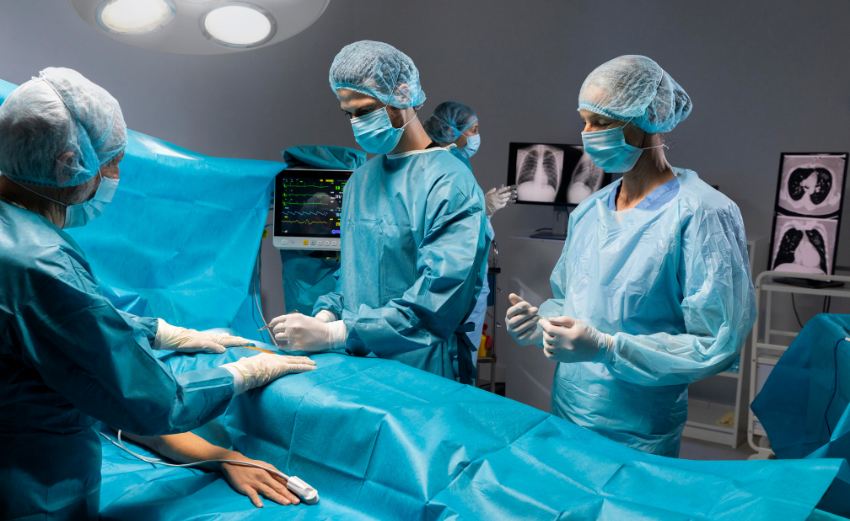
Advanced Laparoscopic Gall Bladder Stones Treatment | Gallbladder Surgery in Ramapuram,chennai
Advanced Gallbladder Surgery with Structured Surgical Expertise
As a General and Laparoscopic Surgeon practicing in Ramapuram, I provide specialized gallbladder surgery using advanced minimally invasive techniques. I am currently associated with Sri Ramachandra Medical Centre and Palaniyappa Multispeciality Hospital, where I perform laparoscopic cholecystectomy under standardized operating protocols and continuous perioperative monitoring. Gallbladder disease, especially symptomatic gallstones, can cause severe abdominal pain, infection, and digestive complications if untreated. Early diagnosis and structured evaluation help prevent emergency situations such as acute cholecystitis or bile duct obstruction. I assess every patient carefully through clinical examination, ultrasound imaging, and laboratory evaluation before recommending surgery. Each treatment plan is individualized based on symptom severity and overall health status. My priority remains safe surgical removal with predictable recovery outcomes.
Gall Bladder Stones Treatment in Ramapuram requires responsible timing and careful decision-making. While some gallstones may remain asymptomatic, recurrent pain often signals active disease progression. Minimally invasive laparoscopic gallbladder surgery is typically recommended when symptoms persist or complications develop. However, surgical intervention is advised only when clinically justified. If alternative treatment or stabilization is safer, that is discussed transparently. Structured follow-up ensures post-operative healing progresses smoothly. Long-term digestive adaptation is monitored carefully. Patient safety remains central to every recommendation.
Core Surgical Principles
- I confirm gallstones through imaging first.
- I assess symptom pattern before advising surgery.
- I recommend surgery only when necessary.
- I perform procedures under monitored care.
- I prioritize precision and safety.
- I ensure structured recovery follow-up.
When Should You Consider Gallbladder Surgery?
Persistent right upper abdominal pain, especially after meals, is a common sign of gallbladder disease. Recurrent gallbladder attacks indicate that stones are actively causing obstruction. Fever, nausea, and vomiting may signal inflammation or infection. Jaundice may occur if bile ducts become blocked. Delaying treatment increases the risk of pancreatitis or severe infection. As a Doctor for Gallbladder Problems Treatment in Ramapuram, I recommend early evaluation when symptoms recur. Planned surgery is significantly safer than emergency intervention. Structured consultation clarifies the safest approach.
High-intent search queries often reflect patients looking for definitive treatment rather than temporary relief. If pain interferes with daily routine or recurs frequently, surgical removal is typically the most effective solution. Conservative medication does not dissolve most gallstones. Imaging confirms anatomical suitability before surgery is advised. Risk assessment ensures stability before scheduling the procedure. Clear communication reduces uncertainty. Timely intervention improves recovery outcomes. Responsible surgical timing enhances safety
- Recurrent upper abdominal pain.
- Pain lasting several hours.
- Fever with abdominal discomfort.
- Yellowing of eyes or skin.
- Severe nausea after meals.
- Sudden worsening symptoms.
Warning Signs Requiring Immediate Evaluation
Understanding Gallstones and Disease Progression
Gallstones form due to imbalance in bile composition, leading to crystallization within the gallbladder. Many patients remain asymptomatic until stones obstruct bile flow. Biliary colic typically presents as sharp abdominal pain after fatty meals. Repeated episodes suggest active disease. Inflammation may lead to acute cholecystitis if untreated. Ultrasound remains the primary diagnostic tool for confirming gallstones. Blood tests assess liver function and inflammatory markers. Early detection prevents complications.
Gall Bladder Stones Treatment in Ramapuram depends on whether stones are silent or symptomatic. Asymptomatic stones may not require immediate removal. However, once pain or infection occurs, definitive surgical treatment is generally recommended. Delaying surgery may increase the risk of bile duct obstruction or pancreatitis. Structured assessment determines surgical urgency. Patient education improves confidence. Clear explanation reduces anxiety. Prevention of recurrence remains the objective.
- Right-sided abdominal pain
- Pain after fatty food intake.
- Nausea or vomiting episodes.
- Persistent bloating sensation.
- Fever during inflammation.
- Jaundice in severe cases.
Common Gallbladder Symptoms
Laparoscopic Gallbladder Surgery Explained
Laparoscopic cholecystectomy is the gold standard for symptomatic gallbladder disease. The procedure involves removing the gallbladder through small incisions using a camera-guided approach. Carbon dioxide creates space inside the abdomen for precise visualization. Magnified imaging allows safe identification of the bile duct and surrounding structures. The gallbladder is carefully dissected and removed. Advanced instruments ensure bleeding control. Continuous monitoring maintains patient stability throughout. Structured surgical steps reduce complication risk.
Performing surgery in a monitored hospital environment strengthens safety protocols. At Sri Ramachandra Medical Centre and Palaniyappa Multispeciality Hospital, operations are conducted under standardized guidelines. Conversion to open surgery is considered only if anatomical clarity is compromised. Post-operative monitoring begins immediately after the procedure. Early mobilization supports faster recovery. Pain control follows structured medication protocols. Discharge planning includes dietary guidance. Follow-up confirms stable healing.
- Small incisions are used.
- A camera guides the surgery.
- The gallbladder is removed safely.
- Bleeding is controlled precisely.
- Monitoring continues throughout.
- Recovery begins early.
Procedure Overview
Gallbladder Surgery Treatment Options and Decision Guide
When patients consult me for Gallbladder Surgery in Ramapuram, the most common concerns involve surgical necessity, safety, and recovery expectations. The table below provides a structured overview to help understand when surgery is recommended and what approach may be appropriate. Every decision is individualized based on imaging findings, symptom severity, and overall health status.
Gallbladder Treatment Comparison Overview
| Condition | Recommended Treatment | Surgical Approach | Why Surgery Is Needed | Recovery Focus |
|---|---|---|---|---|
| Symptomatic Gallstones | Laparoscopic Cholecystectomy | Minimally Invasive | Prevent recurrent pain and infection | Early mobilization and pain control |
| Acute Cholecystitis | Urgent Gallbladder Removal | Laparoscopic / Open | Prevent rupture or abscess | Infection monitoring |
| Large Gallstones | Surgical Removal | Laparoscopic | Reduce obstruction risk | Structured recovery plan |
| Gallbladder Polyps (Suspicious) | Preventive Removal | Minimally Invasive | Rule out malignancy | Pathology evaluation |
| Bile Duct Obstruction | Surgery After Stabilization | Laparoscopic with evaluation | Prevent jaundice and pancreatitis | Liver function monitoring |
| Complicated Gallbladder Disease | Controlled Surgical Intervention | Open if required | Ensure safe removal | ICU observation if needed |
- Recurrent pain usually worsens over time.
- Gallstones do not dissolve permanently.
- Infection risk increases with delay.
- Emergency surgery carries higher risk.
- Planned surgery allows safer recovery.
- Early treatment prevents complications.
Why Early Surgical Evaluation Matters
Is Laparoscopic Surgery the Right Option for You?
Suitability for laparoscopic gallbladder surgery depends on overall health and disease severity. Severe infection may require urgent intervention. Previous abdominal surgery may influence feasibility. I evaluate imaging findings carefully before recommending the procedure. Not every patient requires immediate surgery. Conservative stabilization may be needed in acute cases. Structured decision-making improves safety. Individual assessment ensures the correct approach.
Patients searching for “Doctor for Gallbladder Problems Treatment” often seek clarity on surgical necessity. My approach focuses on recommending surgery only when benefits outweigh risks. Evidence-based guidelines support final decisions. Pre-operative preparation strengthens procedural control. Transparent counseling builds trust. Proper case selection reduces complication rates. Surgical timing influences recovery quality. Responsible evaluation defines care.
- Diagnosis must be clearly confirmed.
- Imaging must support feasibility.
- Medical stability must be ensured.
- Risks must be explained clearly.
- Alternatives must be discussed openly.
- The surgical plan must be individualized.
Decision Criteria
Why I Prefer Minimally Invasive Gallbladder Surgery
When clinically appropriate, minimally invasive surgery offers measurable advantages. Smaller incisions reduce wound discomfort. Magnified visualization enhances surgical accuracy. Reduced tissue trauma supports faster healing. Early mobilization decreases complication risk. Hospital stay is generally shorter. Recovery tends to be smoother. These benefits contribute to improved patient comfort.
However, safety always guides my recommendation. Laparoscopic surgery is performed only when anatomical clarity is adequate. Continuous monitoring remains essential. Experience strengthens complication prevention. Ethical practice ensures surgery is advised only when necessary. Structured follow-up enhances long-term stability. Precision and responsibility define this approach.
- Incisions are small and precise.
- Pain levels are usually lower.
- Recovery is often faster.
- Infection risk is reduced.
- Hospital stay is shorter.
- Long-term outcomes are prioritized.
Benefits of This Technique
Surgical Infrastructure and Patient Care Standards
The safety and effectiveness of gallbladder surgery depend not only on surgical expertise but also on the clinical environment in which the procedure is performed. I conduct laparoscopic gallbladder surgery at Sri Ramachandra Medical Centre and Palaniyappa Multispeciality Hospital, where structured operating protocols and standardized surgical systems are maintained. Advanced laparoscopic equipment allows precise visualization and controlled dissection. Continuous anesthesia monitoring ensures patient stability throughout the procedure. Sterile operating room standards reduce infection risk. A coordinated surgical and nursing team supports smooth execution. Structured perioperative systems enhance overall safety.
Postoperative care plays an equally important role in recovery. Patients are monitored in a supervised recovery area immediately after surgery. Pain management follows established clinical guidelines. Infection prevention measures are implemented consistently. Clear discharge planning ensures patients understand activity and dietary instructions. Follow-up appointments are scheduled to assess healing and digestive adaptation. Access to emergency support services remains available if required. An organized hospital system strengthens both procedural safety and long-term outcomes.
- Advanced laparoscopic equipment is available.
- Continuous anesthesia monitoring is maintained.
- Operating protocols are standardized.
- Recovery areas are supervised.
- Infection control measures are followed.
- Structured follow-up care is provided.
Hospital Care Features
Pre-Operative Planning and Evaluation
Before scheduling surgery, I conduct a detailed clinical assessment. Ultrasound confirms gallstone presence. Blood tests evaluate liver function and infection markers. Anesthesia clearance ensures safe operative conditions. Risk factors are identified in advance. Structured preparation reduces uncertainty. Clear instructions are provided before surgery. Informed consent reflects understanding.
Surgical strategy is defined before entering the operating room. Emergency readiness is ensured. Transparent communication builds reassurance. Preparation strengthens procedural efficiency. Anticipation of complexity improves safety. Structured planning enhances predictability. Precision begins before the incision.
- Clinical examination is completed.
- Ultrasound confirms diagnosis.
- Lab tests assess infection risk.
- Anesthesia clearance is obtained.
- Risks are discussed openly.
- Consent is documented properly.
Pre-Surgical Preparation
Safety and Monitoring During Surgery
During surgery, magnified visualization allows accurate identification of bile duct anatomy. Controlled dissection protects surrounding structures. Continuous monitoring ensures patient stability. Sterility protocols are strictly maintained. Emergency readiness supports immediate response. Each step follows structured guidelines. Vigilance remains constant. Safety is uncompromised.
Unexpected findings are managed calmly and systematically. Conversion to open surgery occurs only when necessary. Surgical judgment guides intraoperative decisions. Precision reduces complication rates. Monitoring continues until recovery stabilization. Responsibility extends beyond surgery.
- Surgery is performed under full monitoring.
- Tissue handling is controlled carefully.
- Bleeding is managed promptly.
- Sterility is strictly maintained.
- Team coordination is structured.
- Safety decisions are immediate.
Safety Standards
Post-Operative Recovery and Care
Recovery after laparoscopic gallbladder surgery is typically smooth. Most patients mobilize within hours. Pain control follows structured protocols. Oral intake resumes gradually. Discharge depends on stability. Wound care instructions are clearly provided. Follow-up confirms proper healing.
Activity restrictions are explained clearly. Heavy lifting is avoided temporarily. Dietary guidance supports digestive adaptation. Warning signs are discussed in advance. Early reporting prevents complications. Structured follow-up builds reassurance.
- Walking is encouraged early.
- Pain is managed effectively.
- Diet progresses gradually.
- Wounds are kept clean.
- Heavy lifting is restricted.
- Follow-up visits are scheduled.
Recovery Guidance
Understanding Risks and Complications
All surgeries carry inherent risk. Laparoscopic gallbladder surgery is generally safe when properly performed. Potential complications include bleeding or infection. Bile duct injury is rare but possible. Thorough evaluation reduces these risks. Transparent counseling ensures realistic expectations. Monitoring enhances safety.
Conversion to open surgery may be required in complex cases. Post-operative review ensures stable recovery. Patients are informed about warning symptoms. Structured discharge planning reduces uncertainty. Ethical guidance builds trust. Vigilance continues beyond discharge.
- Risks are explained clearly.
- Monitoring continues after surgery.
- Complications are managed promptly.
- Conversion is done for safety.
- Warning signs are discussed openly.
- Follow-up ensures stability.
Risk Awareness
Choosing the Right Doctor for Gallbladder Problems
Selecting the right surgeon influences surgical outcomes. Experience strengthens intraoperative judgment. Structured training improves precision. Evidence-based protocols guide decision-making. Transparent communication builds trust. Accountability defines surgical care. Patient safety remains central.
Hospital infrastructure supports safe execution, but surgical expertise determines results. Proper case selection reduces complication rates. Ongoing evaluation ensures stable recovery. Ethical practice ensures necessary intervention only. Confidence develops through clarity and competence.
- Experience in laparoscopic surgery.
- Structured surgical protocols.
- Transparent consultation process.
- Clear explanation of risks.
- Monitored hospital environment.
- Dedicated follow-up care.
What to Look For
Commitment to Safe Gallbladder Treatment
Effective Gallbladder Surgery in Ramapuram depends on timely diagnosis, precision, and structured follow-up. Every stage of care is planned methodically. Monitoring continues through recovery. Clear guidance reduces uncertainty. Long-term digestive adaptation is assessed. Responsible surgical care extends beyond discharge.
Success is measured by sustained symptom relief and stable recovery. Experience allows calm management of complexity. Ethical standards guide every recommendation. Precision and safety remain inseparable. Patient well-being remains central.
- Care begins with accurate diagnosis.
- Planning supports safe execution.
- Monitoring continues through recovery.
- Communication remains clear.
- Follow-up ensures healing.
- Patient welfare remains central.
Ongoing Commitment
If you are experiencing recurrent abdominal pain, gallbladder attacks, or digestive discomfort, early evaluation is important. Delaying consultation may increase complication risk and recovery time. I provide structured assessment and evidence-based Gall Bladder Stones Treatment in Ramapuram.
Schedule a consultation for detailed evaluation and individualized surgical guidance.
Book your appointment today for safe and structured gallbladder surgery care.
Frequently Asked Questions
-
01Is laparoscopic gallbladder surgery safe?
Yes, it is generally safe when performed by an experienced surgeon in a monitored hospital environment.
-
02How long does recovery take after gallbladder surgery?
Most patients return to normal activities within one to two weeks depending on recovery progress.
-
03 Can gallstones be treated without surgery?
Asymptomatic stones may not require removal, but symptomatic gallstones are usually treated definitively with surgery.
-
04 What happens after the gallbladder is removed?
The liver continues producing bile, and most patients adapt well without significant long-term issues.
-
05 When should I see a doctor for gallbladder pain?
You should seek medical evaluation if pain is recurrent, severe, associated with fever, or accompanied by jaundice.

