- drpsk88@gmail.com
- +91 9940161615
- Open Hours: 24/7 Opeing


Ventral Hernia Treatment

Advanced Laparoscopic and Ventral Hernia Treatment | Hernia Repair Surgery in Ramapuram,chennai
Advanced Hernia Repair with Structured Surgical Precision
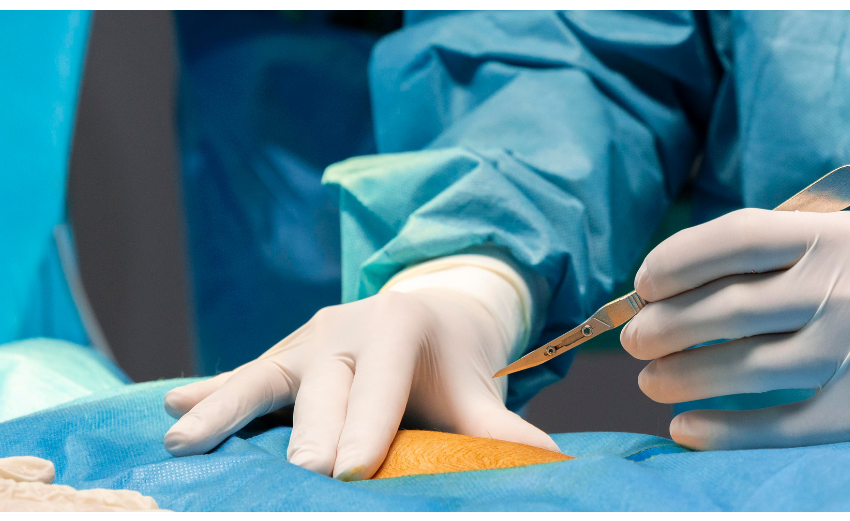
As a General and Laparoscopic Surgeon practicing in Ramapuram, I perform Hernia Repair Surgery using evidence-based techniques focused on anatomical precision and long-term stability. I am currently associated with Sri Ramachandra Medical Centre and Palaniyappa Multispeciality Hospital, where hernia surgeries are conducted under standardized operating protocols and continuous perioperative monitoring. A hernia occurs when internal tissue pushes through a weakened abdominal wall. Over time, this weakness may increase in size and cause discomfort or complications. Early evaluation improves surgical predictability and reduces emergency risk. I carefully assess every patient through clinical examination and imaging before recommending intervention. My objective is durable abdominal wall repair with controlled recovery. Surgical planning is individualized for each patient.
Hernia Repair Surgery in Ramapuram is recommended when symptoms such as pain, swelling, or obstruction are present. Some hernias may enlarge gradually if untreated. While not all hernias are immediately dangerous, delay may increase surgical complexity. I recommend timely evaluation to determine whether laparoscopic or open hernia repair is most appropriate. Minimally invasive hernia surgery is often preferred when suitable. Safety and structural reinforcement remain central priorities. Structured follow-up ensures long-term repair stability.
Core Surgical Principles
- I confirm diagnosis before recommending surgery
- I assess hernia type carefully.
- I recommend timely intervention.
- I perform surgery under monitored care.
- I prioritize durable abdominal repair.
- I ensure structured recovery supervision.
Understanding Different Types of Hernia
Hernias can develop in various regions of the abdominal wall. Inguinal hernias occur in the groin region and are among the most common types. Umbilical hernias appear near the navel. Ventral hernias develop in weakened areas of the abdominal wall. Incisional hernias may occur at previous surgical sites. Each type requires a tailored surgical approach. Clinical examination helps determine location and severity. Imaging confirms anatomical involvement. Early identification improves outcomes.
Ventral Hernia Repair in Ramapuram requires careful planning due to abdominal wall weakness. Larger hernias may require mesh reinforcement to strengthen the repair. Untreated hernias may cause discomfort or bowel obstruction. Structured assessment determines surgical urgency. Not all hernias require emergency surgery, but monitoring is important. Minimally invasive options are considered whenever feasible. Anatomical precision improves durability. Responsible timing enhances recovery.
- Inguinal hernia in the groin area.
- Umbilical hernia near the navel.
- Ventral hernia in the abdominal wall.
- Incisional hernia after surgery.
- Femoral hernia below the groin.
- Recurrent hernia after prior repair.
Common Hernia Types
When to Consult a Hernia Repair Surgery Doctor.
A visible swelling that increases on standing or coughing may indicate a hernia. Discomfort or heaviness in the abdomen is a common symptom. Pain during lifting or physical strain suggests progressive weakness. Sudden severe pain with swelling may indicate strangulation. Delaying evaluation may increase complication risk. As a Hernia Repair Surgery Doctor in Ramapuram, I recommend early consultation when symptoms appear. Planned repair is safer than emergency surgery. Structured assessment clarifies surgical necessity.
If swelling increases in size or becomes painful, surgical repair is generally advised. Conservative measures such as abdominal belts do not correct the defect. Imaging confirms anatomical details before planning surgery. Proper diagnosis guides technique selection. Early treatment improves recovery quality. Responsible intervention prevents obstruction. Patient safety remains central.
- Visible abdominal or groin swelling.
- Pain during lifting or coughing.
- Increasing size of swelling.
- Sudden severe abdominal pain.
- Redness or tenderness over swelling.
- Nausea with painful swelling.
Warning Signs
Laparoscopic Hernia Repair Explained
Laparoscopic hernia repair involves reinforcing the weakened abdominal wall using small incisions and camera guidance. Carbon dioxide creates working space for visualization. High-definition imaging allows precise placement of surgical mesh. Mesh reinforcement strengthens the abdominal wall and reduces recurrence risk. Advanced instruments enable controlled dissection. Bleeding is managed carefully. Continuous monitoring ensures patient stability. Structured technique improves long-term durability.
In some complex or large ventral hernias, open surgery may be required. The decision is based entirely on anatomical and safety considerations. Surgical planning depends on hernia size and patient health status. Postoperative monitoring begins immediately after surgery. Early mobilization supports recovery. Pain management follows structured protocols. Follow-up ensures reinforcement stability. Precision defines repair success.
- Small incisions are used.
- Mesh reinforces the abdominal wall.
- Visualization is magnified clearly.
- Bleeding is controlled carefully.
- Monitoring continues throughout.
- Recovery begins early.
Procedure Highlights
Hernia Repair Surgery – Clinical Decision and Treatment Guide
When patients consult me for Hernia Repair Surgery in Ramapuram, their primary concern is whether surgery is immediately necessary and which technique offers long-term stability. Hernias do not heal on their own, and the abdominal wall defect typically enlarges over time. The table below outlines common clinical scenarios and the recommended surgical approach based on safety, anatomical findings, and symptom severity.
Hernia Surgery Treatment Overview
| Clinical Situation | Recommended Action | Surgical Approach | Why Repair Is Necessary | Recovery Focus |
|---|---|---|---|---|
| Small Symptomatic Inguinal Hernia | Planned Surgical Repair | Laparoscopic Hernia Repair | Prevent enlargement and pain | Early ambulation |
| Progressive Groin Swelling | Timely Intervention | Minimally Invasive Repair | Reduce strangulation risk | Abdominal wall stability |
| Ventral Hernia with Discomfort | Mesh Reinforcement Repair | Strengthen abdominal defect | Controlled activity progression | ICU observation if needed |
| Large Incisional Hernia | Advanced Repair with Mesh | Open / Laparoscopic | Prevent bowel obstruction | Long-term reinforcement monitoring |
| Painful Irreducible Hernia | Urgent Evaluation | Emergency Surgery if Needed | Prevent strangulation | Close infection monitoring |
| Recurrent Hernia | Specialized Surgical Strategy | Mesh-Based Reinforcement | Prevent repeat failure | Structured follow-up |
- Hernias increase in size over time.
- Pain usually worsens gradually.
- Delay increases strangulation risk.
- Emergency surgery carries higher risk.
- Planned repair ensures better stability.
- Mesh repair reduces recurrence.
Why Early Hernia Repair Is Important
Is Hernia Repair Surgery Necessary for You?
Not every hernia requires emergency surgery, but most hernias do not resolve on their own. Once the abdominal wall develops a defect, it typically enlarges over time. I evaluate the size, symptoms, and risk of complications before recommending surgery. If discomfort interferes with daily activity or the swelling increases in size, repair is generally advised. Delaying treatment may increase the risk of bowel obstruction or strangulation. Early surgical intervention is usually less complex and allows faster recovery. My goal is to recommend surgery at the right time, not too early and not too late. Individual assessment ensures safety and durability.
Patients searching for Hernia Repair Surgery Doctor in Ramapuram often want clarity on whether surgery is unavoidable. I explain the risks of postponing repair and compare laparoscopic and open approaches when relevant. Support belts may reduce discomfort temporarily but do not correct the structural defect. Mesh repair strengthens weakened tissue and reduces recurrence risk. Imaging studies confirm the extent of the defect before finalizing the plan. Responsible timing improves long-term results. Clear discussion builds confidence in decision-making. Surgical necessity is determined based on clinical evidence.
- The swelling increases gradually.
- Pain occurs during physical strain.
- The hernia becomes difficult to reduce.
- Discomfort affects routine activity.
- Imaging confirms structural weakness.
- Risk of obstruction is present.
Decision Indicators
Surgical Infrastructure and Patient Care Standards
The safety of Hernia Repair Surgery in Ramapuram depends not only on surgical expertise but also on the clinical setting. I perform hernia repair procedures at Sri Ramachandra Medical Centre and Palaniyappa Multispeciality Hospital, where structured operating protocols and advanced laparoscopic systems are maintained. Continuous anesthesia monitoring ensures stability throughout surgery. Sterile operating room standards reduce infection risk. Coordinated surgical teams enhance efficiency and safety. Structured perioperative pathways support predictable recovery. Hospital readiness strengthens outcomes, particularly in complex ventral hernia repair cases.
Postoperative care is equally important in abdominal wall repair. Patients are monitored in supervised recovery units immediately after surgery. Pain control follows evidence-based guidelines. Early mobilization is encouraged when medically appropriate. Infection prevention measures are implemented consistently. Emergency backup services remain available if needed. Follow-up evaluation ensures mesh stability and healing progression. An organized hospital environment improves both short-term and long-term results.
- Advanced laparoscopic equipment is available.
- Continuous anesthesia monitoring is maintained.
- Standardized operating protocols are followed.
- Recovery units are supervised.
- Infection control measures are Strict.
- Structured follow-up care is ensured.
Hospital Care Features
Why Choose Me for Hernia Repair Surgery
Choosing the right surgeon influences both immediate recovery and long-term hernia stability. As a specialist in laparoscopic and abdominal wall repair, I focus on anatomical precision and mesh reinforcement techniques that reduce recurrence. My surgical planning is individualized based on hernia type, size, and patient health. I perform both minimally invasive and open hernia repair depending on what ensures optimal safety. Structured evaluation reduces unnecessary intervention. Transparent communication helps patients understand realistic outcomes. Consistency in surgical technique supports predictable healing. My approach prioritizes durability over short-term convenience.
My association with Sri Ramachandra Medical Centre and Palaniyappa Multispeciality Hospital further strengthens procedural safety. These institutions maintain advanced surgical infrastructure and standardized operating systems. Experience in ventral hernia repair and complex abdominal wall reconstruction enhances intraoperative judgment. Responsible decision-making guides technique selection. Ethical surgical practice ensures intervention is recommended only when indicated. Ongoing follow-up ensures repair stability. Patient trust is built through structured care and accountability. Precision remains the defining standard.
- Experience in laparoscopic hernia repair.
- Individualized surgical planning.
- Mesh reinforcement expertise.
- Monitored hospital environment.
- Transparent consultation process.
- Structured long-term follow-up.
Why Patients Choose My Care
Pre-Operative Evaluation and Planning
Before scheduling Hernia Repair Surgery in Ramapuram, I conduct a thorough clinical assessment. Imaging studies determine hernia size and tissue involvement. Medical history is reviewed to identify risk factors such as obesity or diabetes. Anesthesia clearance ensures procedural stability. Smoking cessation advice may be provided to reduce wound complications. Structured preparation improves surgical outcomes. Clear instructions are explained before surgery. Consent is obtained after discussing risks and benefits.
For larger ventral hernias, additional planning may be required to strengthen abdominal wall closure. Mesh type and positioning are selected carefully. Preoperative optimization improves healing response. Antibiotic prophylaxis reduces infection risk. Risk stratification enhances predictability. Responsible preparation reduces recurrence rates. Planning begins before entering the operating room. Safety remains central.
- Clinical examination is completed.
- Imaging confirms hernia extent.
- Medical fitness is assessed.
- Anesthesia clearance is obtained.
- Risks are discussed clearly
- Consent is documented properly.
Pre-Surgical Steps
Intraoperative Precision and Monitoring
During laparoscopic hernia repair, magnified visualization ensures accurate mesh placement and defect closure. Controlled dissection prevents injury to surrounding structures. Continuous anesthesia monitoring maintains stability. Advanced fixation techniques secure mesh properly. Bleeding is controlled meticulously. Sterility protocols are followed strictly. Structured surgical steps reduce recurrence risk. Vigilance continues throughout the procedure.
In complex ventral hernia repair cases, additional reinforcement may be required. Conversion to open repair is considered only if safety demands it. Surgical judgment guides intraoperative decisions. Final inspection confirms mesh stability before closure. Monitoring continues during early recovery. Precision reduces complication probability. Structured execution enhances long-term durability. Safety defines every stage.
- Visualization is magnified clearly.
- Mesh placement is precise.
- Bleeding is managed promptly.
- Sterility is maintained strictly.
- Monitoring remains continuous.
- Safety decisions are immediate.
Intraoperative Safety Measures
Post-Operative Recovery and Rehabilitation
Recovery after hernia repair depends on hernia type and surgical technique. Most patients mobilize within hours after laparoscopic repair. Pain is managed through structured medication protocols. Light activity is encouraged early. Heavy lifting is restricted temporarily to allow mesh integration. Discharge planning is based on stability. Clear instructions guide wound care. Follow-up ensures reinforcement strength.
Abdominal support may be recommended for comfort during healing. Swelling around incision sites gradually improves. Patients are advised to report fever or increasing pain immediately. Gradual return to normal activity supports muscle recovery. Structured follow-up appointments confirm repair stability. Responsible supervision improves long-term results. Recovery is monitored carefully. Healing progression is individualized.
- Early walking is encouraged.
- Pain is controlled effectively.
- Heavy lifting is restricted.
- Wound care instructions are provided.
- Follow-up visits are scheduled.
- Warning signs are explained clearly.
Recovery Guidelines
Risks and Recurrence Prevention
Although hernia repair surgery is generally safe, potential risks include infection, bleeding, or recurrence. Mesh reinforcement significantly reduces recurrence rates. Careful surgical technique minimizes complications. Early repair reduces strangulation risk. Transparent counseling ensures realistic expectations. Monitoring continues during recovery. Responsible surgical planning lowers complication probability. Prevention remains central.
Recurrence is influenced by lifestyle factors such as heavy lifting or obesity. Patients are guided regarding gradual return to strenuous activity. Structured postoperative instructions reduce strain on repair sites. Infection prevention measures are strictly implemented. Prompt management addresses complications early. Ethical responsibility guides every recommendation. Long-term durability remains the goal. Safety defines the outcome.
- Risks are explained clearly.
- Recurrence prevention is emphasized.
- Monitoring continues after surgery.
- Infection signs are discussed.
- Follow-up ensures stability.
- Lifestyle guidance is provided.
Risk Awareness
Experience and Abdominal Wall Repair Expertise
Expertise in hernia repair strengthens anatomical precision. Experience in laparoscopic and open techniques improves decision-making flexibility. Structured training enhances mesh placement accuracy. Evidence-based protocols guide abdominal wall reconstruction. Clear communication builds trust. Accountability defines professional standards. Consistency improves predictability. Safety remains uncompromised.
My approach emphasizes durable reinforcement rather than temporary correction. Structured surgical systems reduce variability. Continuous professional development ensures updated techniques. Coordinated teamwork enhances efficiency. Follow-up supervision supports long-term stability. Ethical surgical practice guides intervention decisions. Experience directly influences outcome quality. Patient welfare remains central.
- Advanced laparoscopic expertise.
- Mesh reinforcement experience.
- Evidence-based surgical planning.
- Transparent patient communication.
- Structured hospital systems.
- Long-term follow-up supervision.
Professional Strength
Focused on Durable and Safe Hernia Repair
Effective Hernia Repair Surgery in Ramapuram depends on early diagnosis, precise repair, and structured postoperative supervision. Timely surgical intervention prevents obstruction and strangulation. Mesh reinforcement strengthens abdominal wall integrity. Monitoring continues until stable healing is achieved. Clear communication reduces uncertainty. Responsible care extends beyond surgery. Long-term durability remains the objective. Structured follow-up builds confidence.
Choosing surgical repair at the appropriate time improves comfort and prevents emergency complications. Experience supports confident management of complex ventral hernia repair cases. Ethical practice ensures only necessary surgery is performed. Recovery guidance supports muscle stability. Surgical precision and hospital infrastructure together strengthen outcomes. Safety and durability define success. Patient trust remains central.
- Early repair improves outcomes.
- Mesh reinforcement ensures durability.
- Monitoring continues through recovery.
- Communication remains transparent.
- Follow-up confirms stability.
- Patient safety remains priority.
Ongoing Commitment
Schedule a Consultation for Hernia Repair Surgery in Ramapuram
If you are experiencing abdominal swelling, groin discomfort, or progressive hernia symptoms, early evaluation is important. Delaying hernia repair may increase complication risk. I provide structured assessment and advanced Hernia Repair Surgery in Ramapuram under monitored hospital care.
Book your consultation today for safe and durable hernia repair treatment.
Frequently Asked Questions
-
01Is hernia repair surgery always necessary?
Most hernias do not heal on their own and typically require surgical repair to prevent enlargement or complications.
-
02Is laparoscopic hernia repair better than open surgery?
Laparoscopic repair often allows smaller incisions and faster recovery, but suitability depends on hernia type and size..
-
03 How long does recovery take after hernia surgery?
Recovery usually takes one to three weeks for laparoscopic repair, depending on individual healing.
-
04 What is ventral hernia repair?
Ventral hernia repair involves strengthening weakened abdominal wall tissue, often using mesh reinforcement.
-
05 When should I see a hernia repair surgery doctor in Ramapuram?
Consult a doctor if you notice swelling, pain, or increasing discomfort in the groin or abdominal wall.

