- drpsk88@gmail.com
- +91 9940161615
- Open Hours: 24/7 Opeing


Laser Surgery
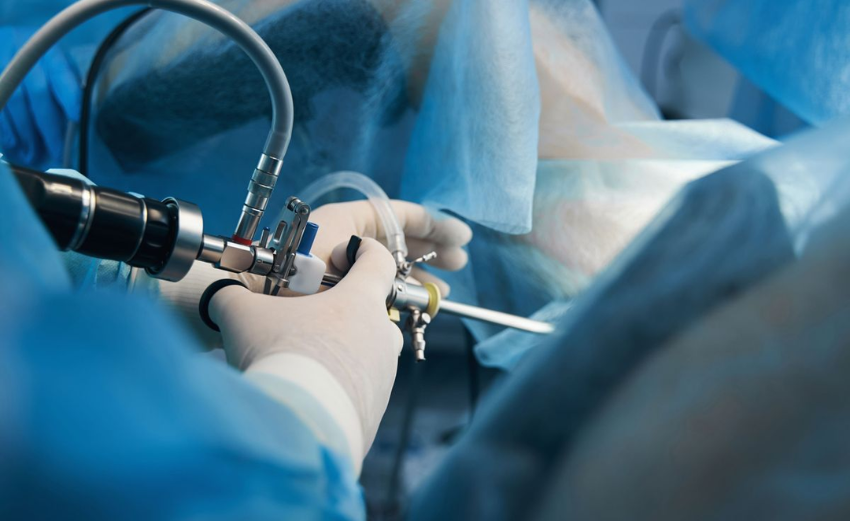
Advanced Laparoscopic and Robotic Gastrointestinal Procedures | Laser Surgery in Ramapuram, Chennai
Advanced Laser and Minimally Invasive Gastrointestinal Surgery
As a Surgical Gastroenterologist practicing in Ramapuram and Chennai, I perform advanced laser surgery and minimally invasive gastrointestinal procedures using precision-driven technology. Laser-assisted laparoscopy and robotic gastrointestinal surgery offer improved visualization and controlled tissue dissection. I am currently associated with Sri Ramachandra Medical Centre and Palaniyappa Multispeciality Hospital, where advanced laparoscopic and robotic surgery systems are maintained under structured clinical protocols. These techniques are particularly beneficial in treating gastrointestinal diseases that require accuracy and minimal tissue trauma. I carefully evaluate each patient to determine whether laser or robotic assistance is appropriate. Structured planning enhances surgical precision. Safety remains central at every stage. Individualized care defines my approach.
Laser surgery in Ramapuram is often used in conjunction with laparoscopic surgery for selected gastrointestinal conditions. It allows targeted tissue treatment while minimizing surrounding damage. Robotic surgery in Ramapuram enhances dexterity and precision in complex procedures. These technologies support minimally invasive approaches for abdominal disorders. Early evaluation improves candidacy for advanced techniques. Structured monitoring ensures stability. Responsible selection of surgical modality improves outcomes. Long-term follow-up supports recovery.
Core Surgical Approach
- I evaluate suitability carefully.
- I use precision-driven technology.
- I prioritize minimally invasive methods.
- I operate under monitored hospital systems.
- I individualize surgical planning.
- I ensure structured postoperative care.
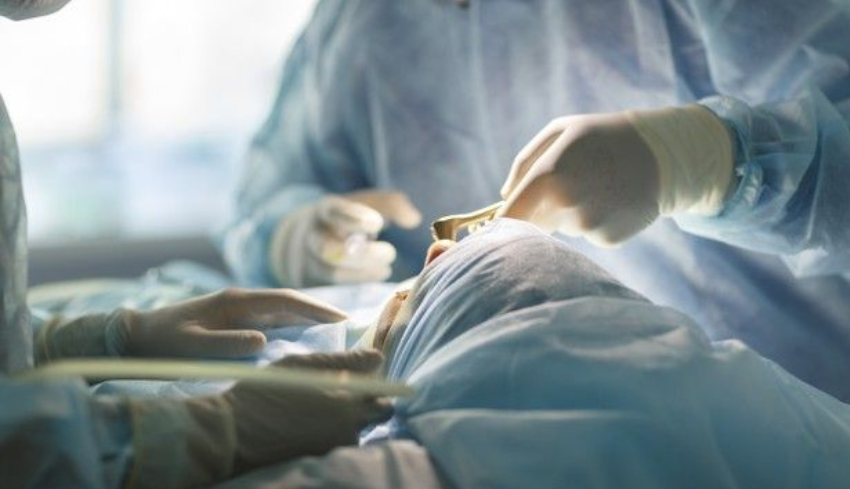
When Is Laser or Robotic Surgery Medically Necessary for you?
Not all gastrointestinal diseases require advanced laser or robotic intervention. However, when precision is critical, such as in complex tumor resections, deep pelvic procedures, or recurrent abdominal disease, robotic or laser-assisted laparoscopy may significantly improve surgical accuracy. I assess the disease severity, anatomical location, prior surgical history, and overall health status before recommending robotic surgery in Ramapuram or laser-assisted laparoscopy. Early intervention prevents progression and reduces complication risk. Delaying necessary gastrointestinal surgery may increase technical difficulty. Structured evaluation determines the safest approach. Surgical timing plays a key role in outcome quality.
Patients searching for laser surgery in Chennai or Ramapuram often want clarity on urgency. Persistent abdominal pain, obstruction, bleeding, or a tumor diagnosis may require prompt surgical intervention. Advanced laparoscopy allows precise treatment with minimal disruption to surrounding tissue. However, unnecessary robotic intervention is avoided. My recommendation is always based on evidence and surgical necessity. Responsible selection ensures optimal recovery. Timely consultation improves candidacy. Precision-guided intervention defines modern gastrointestinal surgery.
- Progressive gastrointestinal symptoms.
- Tumor requiring precise margins.
- Recurrent disease after prior surgery.
- Complex anatomical involvement.
- Failure of conservative treatment.
- Need for reconstruction precision.
Surgical Necessity Indicators
Is Robotic Surgery Better Than Standard Laparoscopy?
Robotic surgery in Ramapuram enhances dexterity and three-dimensional visualization, particularly in complex gastrointestinal procedures. However, standard laparoscopic surgery remains highly effective for many conditions. I determine whether robotic assistance provides a measurable benefit over conventional laparoscopy. For deep pelvic surgery, fine suturing, or narrow operative fields, robotic articulation improves precision. In routine cases such as an uncomplicated laparoscopic appendectomy, traditional laparoscopy may be sufficient. Technology must enhance safety, not replace surgical judgment.
Patients frequently compare laparoscopy before and after recovery outcomes. Robotic procedures may reduce technical limitations in selected cases. However, the success of surgery depends on structured planning and intraoperative control. I recommend robotic surgery only when clinical evidence supports a superior outcome. Transparent explanation helps patients understand cost-benefit balance. Precision and safety guide the choice of technique. Individualized evaluation prevents overtreatment. Responsible selection defines high-quality surgical care.
- Anatomical complexity influences choice.
- Tumor depth favors robotic precision.
- Routine cases suit laparoscopy.
- Reconstruction may require robotics.
- Safety determines the final decision.
- Technology supports surgical judgment.
Technique Selection Factors
What Happens If Gastrointestinal Surgery Is Delayed?
Delaying necessary gastrointestinal surgery may lead to disease progression, obstruction, or worsening inflammation. In tumor-related conditions, delayed intervention may reduce resectability. Chronic gastrointestinal disease can cause structural damage over time. Laser surgery in Ramapuram is often most effective when performed before complications arise. Early surgical planning reduces operative difficulty. Structured timing improves outcomes. Avoiding delay strengthens long-term recovery. Responsible evaluation prevents emergency scenarios.
Patients seeking the best doctor for laparoscopy in Ramapuram often present after prolonged symptoms. Emergency surgery carries a higher risk compared to planned minimally invasive procedures. Advanced laparoscopic surgery allows controlled execution under stable conditions. Delayed care may require open surgery in some cases. Early consultation improves eligibility for minimally invasive options. Responsible intervention protects organ function. Timely surgery improves safety margins. Precision benefits from proper timing.
- Disease progression increases complexity.
- Tumor margins may worsen.
- Obstruction risk increases.
- Emergency surgery risk rises.
- Minimally invasive options reduce.
- Recovery may become prolonged.
Risks of Delay
Advanced Laser and Robotic Gastrointestinal Surgery – Procedure Overview
Choosing between standard laparoscopy, laser-assisted laparoscopy, and robotic gastrointestinal surgery depends on disease complexity and surgical goals. The table below outlines common gastrointestinal conditions, recommended surgical approach, and the clinical advantage of each method. I determine the appropriate technique based on imaging findings, anatomical complexity, and patient fitness.
Laser Surgery Overview
| Condition | Surgical Approach | Why This Technique Is Chosen | Minimally Invasive Benefit | Recovery Focus |
|---|---|---|---|---|
| Appendicitis | Liver Resection | Laparoscopic Appendectomy | Standard safe removal | Early mobilization |
| Complex Hernia | Advanced Laparoscopic Repair | Precise mesh placement | Reduced tissue trauma | Faster wound healing |
| GI Tumor (Early Stage) | Robotic Gastrointestinal Surgery | Enhanced 3D visualization | Accurate tumor margins | Structured follow-up |
| Deep Pelvic Surgery | Robotic-Assisted Laparoscopy | Better articulation in a narrow space | Improved suturing control | Controlled recovery |
| Adhesions / Recurrent Disease | Laser-Assisted Laparoscopy | Focused tissue dissection | Reduced collateral damage | Reduced inflammation |
| Complex Abdominal Reconstruction | Robotic + Laparoscopic Hybrid | Precision reconstruction | Minimized incision size | Gradual rehabilitation |
- Disease complexity determines approach.
- Tumor location influences robotic use.
- Laser assists in targeted dissection.
- Routine cases suit standard laparoscopy.
- Early intervention improves eligibility.
- Structured follow-up ensures stability.
Key Surgical Decision Points
Surgical Infrastructure and Technology Standards
Laser and robotic gastrointestinal procedures require advanced infrastructure and coordinated hospital systems. I perform these procedures at Sri Ramachandra Medical Centre and Palaniyappa Multispeciality Hospital, where robotic platforms and high-definition laparoscopy systems are maintained under standardized protocols. Continuous anesthesia monitoring ensures patient stability. Advanced imaging supports precise dissection. Structured perioperative pathways improve predictability. ICU backup remains available for complex procedures. Organized hospital systems enhance safety.
Postoperative monitoring is equally important in minimally invasive gastrointestinal surgery. Patients are observed in supervised recovery areas. Pain control follows evidence-based protocols. Early mobilization supports faster recovery. Infection prevention measures are implemented consistently. Follow-up care ensures stable healing. Structured hospital systems strengthen outcomes. Controlled environments reduce complication risk.
- Robotic surgical platforms available.
- High-definition laparoscopy systems used.
- Continuous anesthesia monitoring ensured.
- ICU support is accessible.
- Sterile protocols strictly maintained.
- Structured postoperative care provided.
Technology & Hospital Standards
Why Choose Me for Laser and Robotic Surgery in Ramapuram, Chennai
Advanced gastrointestinal surgery requires more than technology; it requires experience and surgical judgment. As a specialist in minimally invasive gastrointestinal procedures, I focus on precision-driven intervention tailored to disease complexity. Experience in laparoscopy and robotic systems strengthens intraoperative control. My approach emphasizes careful case selection and anatomical accuracy. Structured planning enhances safety. Transparent discussion ensures clarity. Long-term follow-up supports durable results. Accountability defines my practice.
My association with Sri Ramachandra Medical Centre and Palaniyappa Multispeciality Hospital strengthens procedural safety through advanced infrastructure and critical care support. These institutions provide the technology required for robotic surgery in Ramapuram and Chennai. Ethical practice ensures robotic intervention is recommended only when beneficial. Multidisciplinary coordination improves outcomes. Continuous professional development supports updated techniques. Patient welfare remains central. Precision and responsibility define surgical care.
- Advanced laparoscopic expertise.
- Robotic surgery experience.
- Structured surgical planning.
- Monitored hospital environment.
- Transparent consultation process.
- Dedicated postoperative follow-up.
Why Patients Choose My Care
Pre-Operative Evaluation Before Laser or Robotic Surgery
Before recommending laser surgery in Ramapuram or robotic gastrointestinal procedures, I conduct a structured clinical evaluation. This includes detailed imaging studies, laboratory testing, and assessment of prior surgical history. Not every patient requires robotic assistance, and proper case selection improves outcomes. I evaluate disease complexity, anatomical location, and need for reconstruction before determining the appropriate technique. Anesthesia clearance ensures procedural safety. Pre-operative counseling clarifies expectations regarding laparoscopy before and after recovery. Structured preparation reduces intraoperative risk. Responsible planning defines precision surgery.
For complex gastrointestinal disease, early staging improves candidacy for minimally invasive intervention. Delayed diagnosis may limit robotic eligibility. I optimize medical conditions such as diabetes or hypertension before surgery. Nutritional assessment may be necessary in chronic gastrointestinal conditions. A clear explanation of surgical risks supports informed consent. Responsible preparation improves recovery stability. Structured evaluation prevents unnecessary intervention. Safety remains central.
- Imaging confirms disease extent.
- Surgical fitness is assessed.
- Technique suitability is evaluated.
- Medical conditions are optimized.
- Anesthesia clearance is obtained.
- Risks are explained clearly.
Pre-Surgical Evaluation
Intraoperative Precision in Robotic and Laser Surgery
Robotic surgery in Ramapuram enhances surgical control through articulated instruments and magnified 3D visualization. During complex gastrointestinal procedures, this precision reduces tissue trauma and improves margin accuracy. Laser-assisted laparoscopy allows focused dissection when necessary. I follow structured intraoperative protocols to ensure vascular safety and stable hemostasis. Continuous anesthesia monitoring ensures physiological stability throughout surgery. Precision minimizes complications. Controlled technique improves recovery quality. Surgical discipline defines outcomes.
In certain cases, conversion to standard laparoscopy or open surgery may be necessary for safety. This decision is made solely based on patient welfare. Structured intraoperative judgment reduces complication probability. Final inspection confirms stability before closure. Robotic technology enhances dexterity but does not replace surgical expertise. Vigilance remains constant until procedure completion. Responsible execution improves durability. Safety guides every decision.
- 3D magnified visualization used.
- Articulated robotic instruments applied.
- Laser precision utilized selectively.
- Continuous monitoring maintained.
- Bleeding controlled meticulously.
- Safety-first decisions implemented.
Intraoperative Safety Measures
Recovery After Laser and Robotic Gastrointestinal Surgery
Minimally invasive gastrointestinal surgery often allows faster mobilization compared to traditional open procedures. Smaller incisions reduce wound discomfort. Early ambulation lowers complication risk. Pain management follows structured clinical protocols. Oral intake resumes gradually based on the surgical type. Patients frequently compare laparoscopy before and after recovery timelines; minimally invasive approaches generally shorten hospitalization when medically appropriate. Structured discharge planning ensures safe recovery at home.
Robotic surgery recovery depends on procedure complexity. Follow-up appointments monitor healing and functional restoration. Activity restrictions are advised temporarily to protect surgical sites. Warning signs such as fever or severe abdominal pain are clearly explained. Structured postoperative care improves stability. Responsible supervision reduces uncertainty. Early reporting prevents complications. Recovery planning remains individualized.
- Early walking encouraged.
- Pain managed effectively.
- Small incisions heal faster.
- Diet progresses gradually.
- Follow-up visits scheduled.
- Warning signs clearly explained.
Recovery Guidance
Risks and Complication Awareness
Although minimally invasive techniques reduce certain risks, all surgical procedures carry potential complications. These may include bleeding, infection, or organ injury, depending on disease type. Robotic surgery reduces technical limitations but does not eliminate risk. Structured evaluation and surgical discipline lower the probability. ICU support remains available when required. Transparent counseling ensures realistic expectations. Responsible case selection reduces exposure. Safety remains the defining principle.
Delaying appropriate gastrointestinal surgery may increase the risk. Tumor progression or inflammation can complicate later intervention. Early robotic or laser-assisted laparoscopy may preserve minimally invasive eligibility. Patients are educated regarding postoperative warning signs. Structured follow-up improves early detection. Multidisciplinary coordination strengthens safety. Vigilance continues beyond discharge. Long-term stability defines success.
- Risks explained clearly beforehand.
- Monitoring continues after surgery.
- Complications addressed promptly.
- ICU support available if needed.
- Early detection improves management.
- Follow-up ensures stability.
Risk Awareness
Long-Term Outcomes and Functional Benefits
Laser surgery and robotic gastrointestinal procedures aim not only to treat disease but also to improve long-term functional recovery. Reduced tissue trauma may support faster return to daily activities. Precision improves oncologic margins in selected tumor cases. Minimally invasive techniques may lower wound complication rates. Structured rehabilitation enhances strength restoration. Follow-up imaging ensures stability when necessary. Responsible surveillance improves durability. Patient quality of life remains central.
For patients with recurrent gastrointestinal disease, robotic surgery may improve surgical accuracy in scarred tissues. Early intervention strengthens recovery prospects. Structured postoperative care prevents long-term complications. Individualized follow-up ensures sustained improvement. Precision reduces recurrence risk in selected cases. Multidisciplinary oversight strengthens outcome quality. Ethical practice guides treatment recommendations. Long-term stability defines successful care.
- Improved precision in complex cases.
- Reduced incision-related discomfort.
- Faster mobilization is possible.
- Enhanced tumor margin control.
- Structured follow-up improves durability.
- Functional recovery prioritized.
Outcome Advantages
Advanced Gastrointestinal Surgery with Clinical Precision
Providing laser surgery in Ramapuram and robotic gastrointestinal procedures in Chennai requires experience, structured systems, and disciplined surgical judgment. Technology enhances capability, but careful patient selection ensures benefit. I emphasize evidence-based recommendations over trend-driven intervention. Continuous training strengthens robotic expertise. Structured hospital systems enhance safety. Transparent communication builds trust. Accountability defines practice standards. Patient welfare remains central.
My goal is to deliver minimally invasive solutions when appropriate while maintaining uncompromised safety. Multidisciplinary coordination strengthens treatment planning. Responsible intervention improves recovery stability. Precision-driven techniques enhance outcome quality. Long-term follow-up ensures sustained benefit. Ethical care guides every decision. Confidence is built through consistency. Structured systems strengthen results.
- Advanced laparoscopy expertise.
- Robotic surgery experience.
- Evidence-based decision-making.
- Structured hospital infrastructure.
- Transparent consultation approach.
- Dedicated long-term follow-up.
Professional Commitment
Focused on Precision, Safety, and Timely Intervention
Laser and robotic gastrointestinal surgery represent an evolution in minimally invasive care. However, success depends on correct timing, proper indication, and structured execution. Early consultation improves candidacy. Responsible technique selection enhances safety. Structured monitoring supports recovery. Clear communication reduces uncertainty. Multidisciplinary collaboration strengthens outcomes. Precision improves durability. Patient-centered care remains the foundation.
Choosing a timely evaluation for gastrointestinal disease may prevent emergency complications. Robotic and advanced laparoscopic procedures provide enhanced control when clinically justified. Structured postoperative supervision improves stability. Ethical surgical planning ensures necessary intervention only. Hospital infrastructure strengthens safety. Experience supports confident management. Recovery planning remains individualized. Commitment to patient welfare remains unwavering.
- Early evaluation improves candidacy.
- Structured monitoring continues postoperatively.
- Monitoring continues through recovery.
- Clear communication builds confidence.
- Follow-up ensures recovery stability.
- Patient welfare remains priority.
Ongoing Focus
Schedule a Consultation for Laser Surgery.
If you are experiencing persistent gastrointestinal symptoms, recurrent abdominal disease, or have been advised surgery elsewhere, early specialist evaluation is important. Delaying consultation may reduce minimally invasive eligibility. I provide structured assessment and advanced laser-assisted and robotic gastrointestinal surgery in Ramapuram and Chennai under monitored hospital systems.
Book your consultation today for precision-driven minimally invasive gastrointestinal care.
Frequently Asked Questions
-
01Is robotic surgery better than laparoscopy?
Robotic surgery offers enhanced visualization and instrument control in complex cases, but standard laparoscopy remains effective for many conditions.
-
02What conditions can be treated with laser surgery in Ramapuram?
Laser-assisted laparoscopy may be used for selected gastrointestinal diseases requiring precise tissue dissection.
-
03How long does recovery take after robotic gastrointestinal surgery?
Recovery depends on procedure complexity, but minimally invasive approaches often allow earlier mobilization compared to open surgery.
-
04 Who is the best doctor for laparoscopy in Ramapuram?
A qualified surgical gastroenterologist with experience in advanced laparoscopy and robotic systems is recommended for safe outcomes.
-
05 Is robotic surgery available in Chennai?
Yes, robotic gastrointestinal surgery is available in Chennai under structured hospital infrastructure and specialized surgical expertise.

